EU sanctions package: 22nd round targets Russian banks, energy, sport
The EU's 22nd sanctions package on Russia would cut about 60 banks from SWIFT, widen energy bans and bar Russian teams from EU sports events.
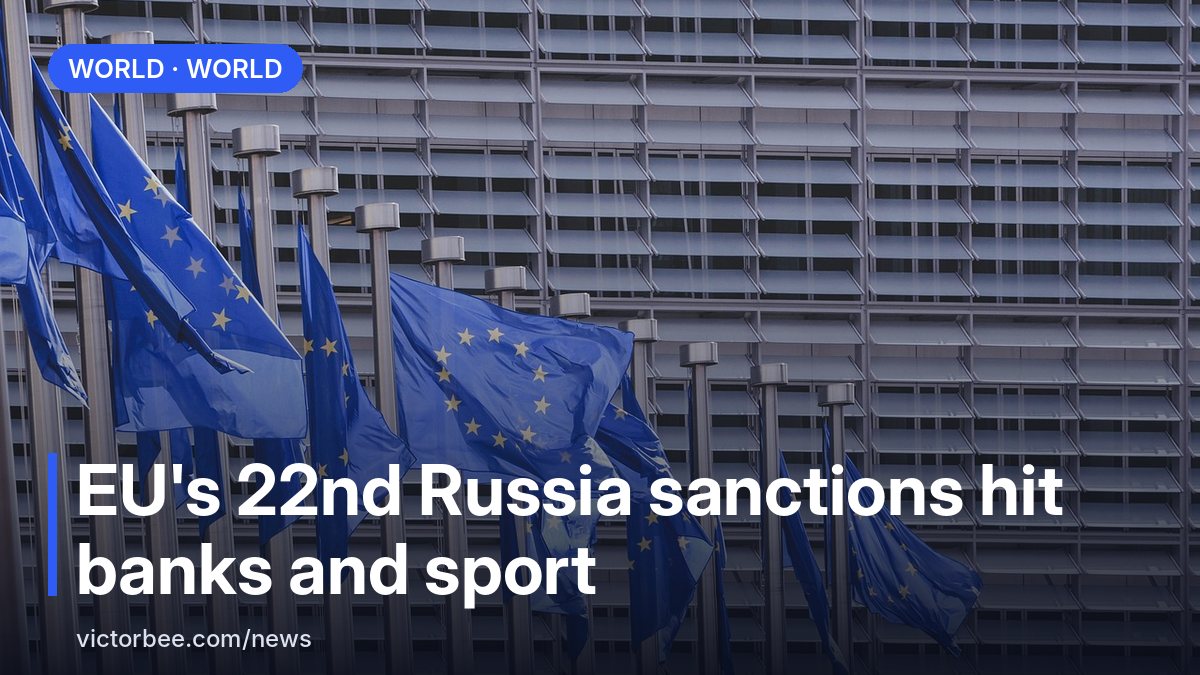
Photo: Pexels / Pixabay (illustration, free licence)
The EU sanctions package unveiled on 23 November 2026 by European Commission President Ursula von der Leyen is the bloc's 22nd round of measures against Russia. It would cut about 60 Russian banks from SWIFT, widen energy bans and stop Russian teams from competing under their flag at sports events in the EU.
Key facts
- Package: 22nd EU sanctions round on Russia
- Banks: transaction ban on about 60 Russian banks, all out of SWIFT
- Energy: no EU help to build, run or repair Russian energy sites, including refineries; first ban on electricity services
- Sport: Russian teams and athletes under the Russian flag barred from EU events
- Status: proposal; needs approval by the 27 member states
What happened
Von der Leyen announced the package in a video message. Beyond the banks, it targets crypto platforms and payment networks, with a new Commission task force on crypto-related sanctions, and countries that help Russia get around existing measures.
On shipping, the Commission proposes barring oil tankers insured in Russia from EU ports, adding pressure on the so-called shadow fleet. On travel, it builds on a visa ban for former Russian combatants, asks member states to stop recognising non-biometric Russian passports and calls for stricter checks, including fingerprints, at Schengen borders.
Von der Leyen said the aim is to give Ukraine "the strength to secure peace". EU foreign policy chief Kaja Kallas welcomed the plan.
Background
Russia has become the world's most sanctioned country since its full-scale invasion of Ukraine in February 2022. UPI reports the EU alone has blacklisted more than 4,700 people and entities. The 21st package was adopted in July. The new proposal comes amid a fresh US-led push to end the war, and as fighting spreads to sea routes, as in the Baltic attack confirmed today.
What it means for Uganda
Uganda is not bound by EU sanctions, but its banks, importers and exporters deal with European partners who are. Tighter rules on payments, crypto and third-country trade mean more paperwork and checks on any deal that touches Russia, and payments routed through Russian banks could be blocked.
New curbs on Russian oil and refineries can also move global fuel prices, which feed into pump prices, transport fares and food costs in Uganda. Businesses that import fuel-heavy goods should watch prices over the coming months.
Sources
- EU unveils 22nd Russia sanctions package as war nears sixth year, UPI
- Von der Leyen unveils the 22nd package of sanctions against Russia, Eunews
Originally reported by UPI. This summary is written by Victor Bee News in our own words, with added background. Read the original for the full report.
More news
US to blacklist Megaspeed over suspected Nvidia chip diversion to China
The US Commerce Department plans to add Singapore data-centre firm Megaspeed to its export blacklist over suspected Nvidia chip supplies to Chinese firms.
Microsoft Code Red declared after historic Microsoft 365 email outage
Microsoft has declared an internal "Code Red" after a 24-hour Microsoft 365 outage left Outlook and Teams users worldwide without email, Reuters reports.
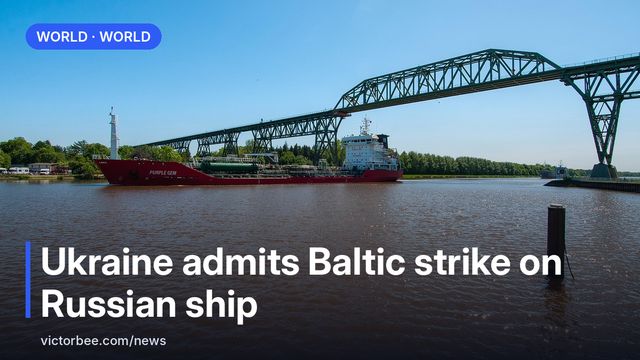
Ukraine confirms Gulf of Finland drone strike on Russian cargo ship
Zelenskiy says Ukraine hit the Russian military cargo ship Sparta II in the Gulf of Finland, as Norway urges Kyiv to keep the Baltic stable.