Uganda coffee processing push: roundtable wants value, not just bags
A coffee think tank in Ntungamo urged Uganda to roast, process and brand its coffee locally instead of selling raw beans, and to build coffee tourism.
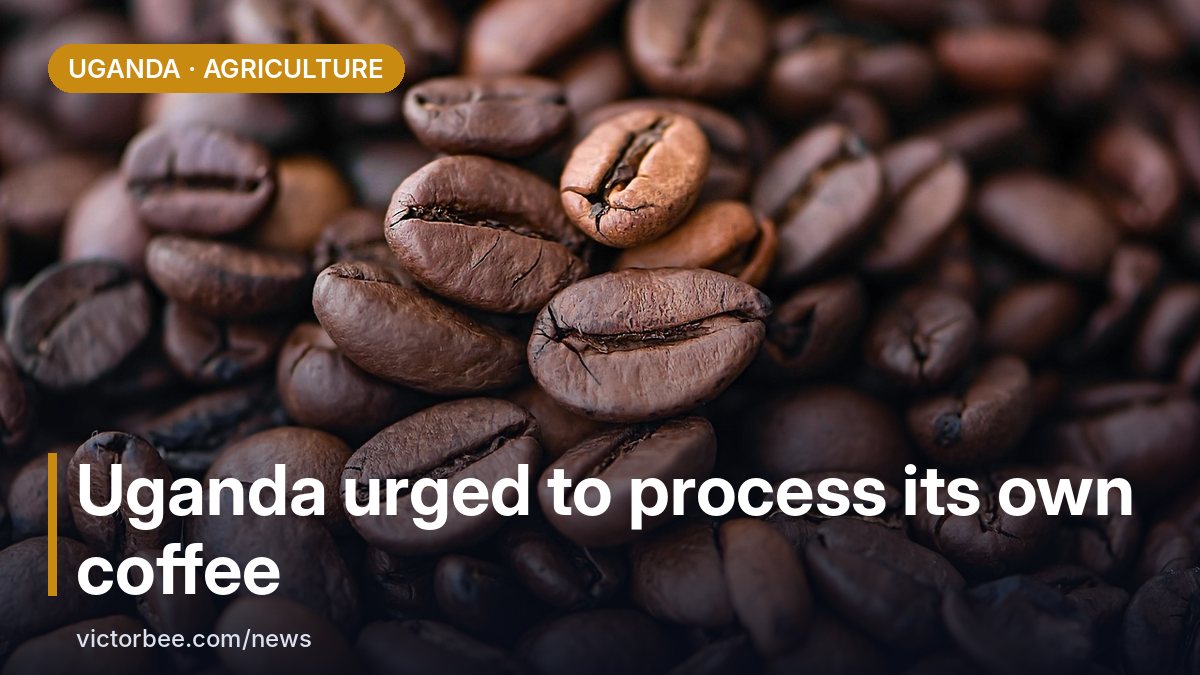
Photo: Ri_Ya / Pixabay (illustration, free licence)
Uganda coffee processing should replace raw bean exports as the sector's main goal, according to participants at a coffee think tank held on 13 and 14 November 2026 at Africa Coffee Park in Ntungamo District. The Observer reported their proposals on 24 November.
Key facts
- Event: second Coffee Roundtable Think Tank, Rwashamaire, Ntungamo
- Dates: 13 to 14 November 2026
- Main message: judge coffee by the value it creates, not by bags exported
- Targets cited: a US$500 billion economy by 2040; 12 million 60kg bags a year under the National Coffee Strategy
- Attendees: officials, investors, researchers and private firms, including Trade Minister Sanjay Tanna and Finance Permanent Secretary Ramathan Ggoobi
What happened
Participants said more farming alone will not transform the economy. They called for investment in soluble coffee, roasting, processing and branding so Uganda keeps a bigger share of the money made along the global supply chain.
Other proposals were to shift subsidies from raw production towards productivity, quality and competitiveness, to offer affordable finance and export guarantees to value-added businesses, and to require public offices to serve Ugandan coffee brands. They also suggested piloting a coffee tourism circuit at Africa Coffee Park, combining farm visits, tastings and culture, then copying it elsewhere, and tracking progress with a national coffee scorecard.
Background
Coffee is one of Uganda's biggest export earners, and most of it leaves as green beans, which earn far less than roasted or soluble products. The debate over what quality to export is already live; see our report on the low-grade coffee export ban debate. The proposals are recommendations from a think tank, not government decisions, and no budget or timeline was given.
What it means for you
Farmers and cooperatives could eventually sell to local roasters at better prices if processing capacity grows. Small roasters and cafe owners should watch for finance and export guarantees aimed at value-added coffee, and a public-office buying rule would create steady local demand. Until policy changes, keep grading and drying standards high, because quality decides the price in any market.
Sources
Originally reported by The Observer. This summary is written by Victor Bee News in our own words, with added background. Read the original for the full report.
More news

Coca-Cola AFCON 2027 sponsorship: brand returns after nearly 30 years
Coca-Cola is back as an official sponsor of the Africa Cup of Nations after almost three decades, ahead of AFCON 2027 in Uganda, Kenya and Tanzania.

NCHE chairperson: Museveni names Makerere's Prof Nawangwe to lead council
Makerere Vice Chancellor Prof Barnabas Nawangwe is the new NCHE chairperson, appointed by President Museveni for a five-year term to oversee universities.

Leads Insurance award: court orders government to pay Shs8.46bn
The High Court ordered government to pay Leads Insurance Shs8.46bn for failing to issue replacement land titles despite earlier court orders.