COP31 climate talks end without a deal after longest UN summit
The COP31 climate talks in Antalya ran into Sunday and ended with no major agreement, the first such collapse since Copenhagen in 2009.
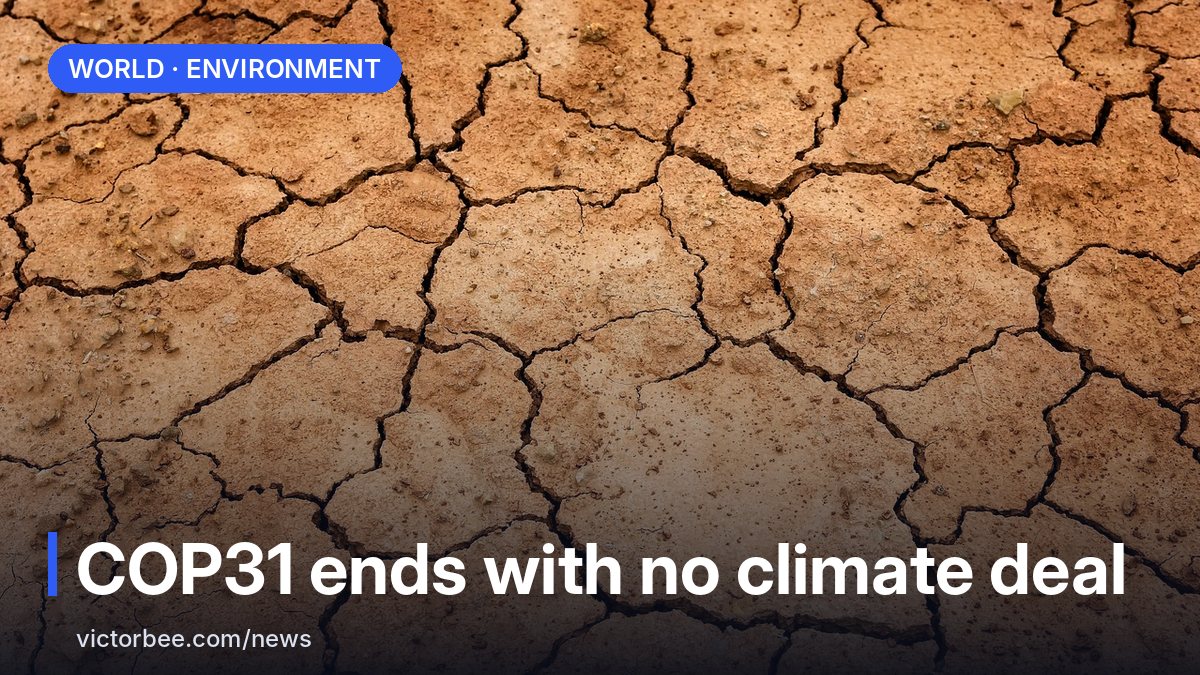
Photo: Tama66 / Pixabay (illustration, free licence)
The COP31 climate talks in Antalya, Turkey, ended on Sunday 22 November 2026 without a major new global agreement, after the longest UN climate conference on record. It was the first collapse of a COP's main political deal since Copenhagen in 2009.
Key facts
- Event: UN COP31 climate conference, Antalya, Turkey
- Length: due to end Friday, ran into Sunday
- Sticking points: whether to name fossil fuels, and adaptation finance
- Some progress: a "just transition mechanism" for workers and communities
- Next summit: COP32, November 2027, Ethiopia
What happened
The last draft did not use the words "fossil fuels". It only pointed back to the 2023 COP28 pledge to "transition away" from them in energy systems. The EU and Pacific island states rejected that, while oil-producing countries had opposed an earlier draft that named fossil fuels six times.
Poorer countries also objected that there were no firm figures for adaptation finance. COP30 in Brazil had agreed to triple it, and critics feared vague wording would let rich countries avoid paying.
UN Secretary-General Antonio Guterres said he was "deeply disappointed". Australia's Chris Bowen, who led the negotiations, cited "unbridgeable red lines". UN climate chief Simon Stiell said the consensus process had "fallen short" and he would seek advice on reform.
Background
The 2015 Paris Agreement aims to hold warming to 1.5C. The UN says current policies point to about 2.8C by 2100, and the world is likely to overshoot 1.5C in the next few years. More than 80 countries backed Turkey's goal of lifting electricity's share of global energy use to 35% by 2035. 2026 may end as the hottest year on record.
What it means for Uganda
Uganda is hit often by floods, landslides and drought, and relies on rain-fed farming. Without clear adaptation finance, support for things like early warning systems, flood defences and drought-resistant crops stays uncertain. Power Shift Africa's Mohamed Adow said rich countries cannot keep arriving empty-handed.
Farmers can still act locally by planting trees and using soil and water conservation. Our FarmTap project helps farmers keep records that make it easier to show losses and qualify for support.
Sources
Originally reported by Nile Post. This summary is written by Victor Bee News in our own words, with added background. Read the original for the full report.
More news

US to blacklist Megaspeed over suspected Nvidia chip diversion to China
The US Commerce Department plans to add Singapore data-centre firm Megaspeed to its export blacklist over suspected Nvidia chip supplies to Chinese firms.
EU sanctions package: 22nd round targets Russian banks, energy, sport
The EU's 22nd sanctions package on Russia would cut about 60 banks from SWIFT, widen energy bans and bar Russian teams from EU sports events.
Microsoft Code Red declared after historic Microsoft 365 email outage
Microsoft has declared an internal "Code Red" after a 24-hour Microsoft 365 outage left Outlook and Teams users worldwide without email, Reuters reports.